
LCD vs OLED Displays: Which is the Best Choice?
LCD vs OLED Displays: Which is the Best Choice?
In the fast-paced realm of technology, one debate that continually sparks interest is the comparison between LCD and OLED display technologies. As a tech enthusiast, I’ve often found myself navigating through this discussion, trying to figure out which display technology offers the best balance of visual quality, longevity, and value. In this detailed guide, we’ll break down the key differences between LCD and OLED, analyzing their performance in terms of picture quality, color accuracy, contrast, and lifespan. We'll also look into their energy efficiency to determine which is more environmentally friendly, while evaluating the cost implications of each. By the end, you’ll be equipped with the knowledge to decide if OLED’s superior quality is worth the extra investment or if LCD is a better option for your needs. Let us guide you through the complexities of LCD and OLED displays to help you make an informed decision.
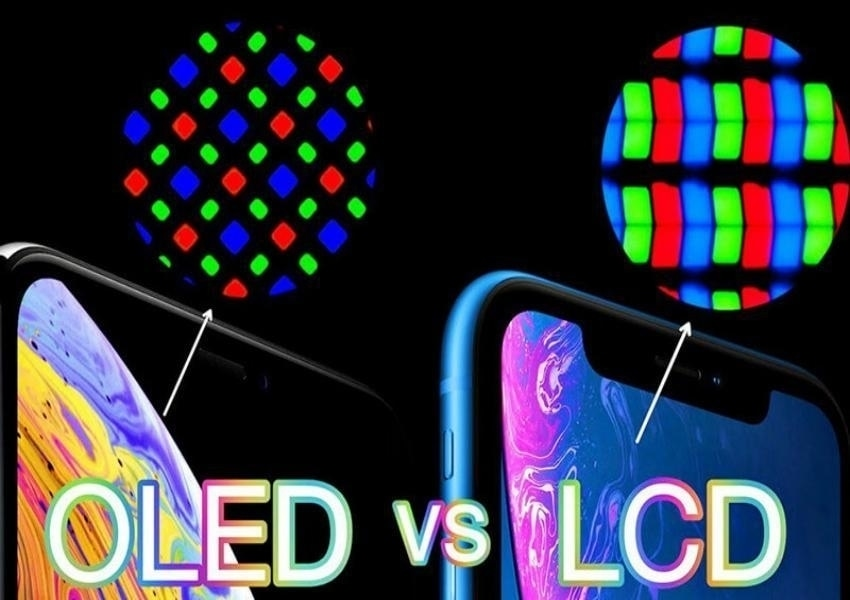
1. Understanding the Technology: LCD and OLED Displays
When it comes to display technology, two widely-used types are Liquid Crystal Display (LCD) and Organic Light Emitting Diodes (OLED). The primary distinction lies in how these displays produce light. LCDs utilize a backlight to illuminate their liquid crystals, whereas OLEDs generate light through individual organic compounds.
Key characteristics:
- LCDs are generally more affordable and provide better visibility in bright environments. They are more energy-efficient when showing bright images, making them a popular choice for laptops and smartphones.
- OLEDs, on the other hand, are praised for their superior contrast ratios and ability to display true blacks, since each pixel is self-lit. This technology allows for more precise image quality control, broader viewing angles, and faster refresh rates than LCDs.
Key factors:
- The performance of LCDs can vary depending on backlight type and liquid crystal quality.
- The effectiveness of OLEDs depends on the organic material quality and pixel arrangement efficiency.
2. Evaluating Picture Quality: LCD vs OLED
Picture quality is a crucial factor when comparing these two technologies.
- OLED displays are known for producing deep blacks and higher contrast ratios since each pixel can be turned off individually. This leads to stunning detail in darker scenes.
- LCD displays, relying on backlighting, may have lighter black levels and lower contrast.
Additional considerations:
- Color Accuracy and Saturation: OLEDs offer a wider color gamut, producing more vibrant and accurate colors. Some users, however, may find them overly saturated. LCDs, while offering more natural colors, may not match OLEDs in vibrancy.
- Viewing Angles: OLED displays maintain picture consistency from nearly every angle, whereas LCDs tend to suffer from color and contrast shifts when viewed at different angles.
Key takeaways:
- OLED excels in contrast, color vibrancy, and viewing angles.
- LCD offers more natural colors but can lose quality at extreme angles.
3. Analyzing Color Accuracy: How LCD and OLED Compare
Color accuracy is a major differentiator between LCD and OLED technologies. OLED displays can create true blacks, leading to vibrant color contrast. Since each pixel is individually controlled, color accuracy is finely tuned. On the other hand, LCDs use backlighting, which can compromise color precision, particularly in darker tones. However, advanced LCD technologies, such as Quantum Dot, allow certain LCDs to compete closely with OLEDs.
Conclusion:
While both technologies have their strengths, OLED generally leads in color accuracy due to its pixel-level control.
4. Contrast Ratio Showdown: LCD vs OLED
Contrast ratio greatly impacts image quality and the overall viewing experience.
- OLED displays offer infinite contrast ratios by completely turning off individual pixels to achieve true blacks. This makes images more vivid and lifelike, especially in low-light scenes.
- LCD displays rely on backlights, meaning they can't reach true black. However, innovations like Full-Array Local Dimming (FALD) have improved their contrast ratios, though they still can't match OLEDs.
Summary:
- OLED’s ability to control each pixel’s brightness individually gives it the upper hand in contrast performance, making it the superior option for richer visuals.
5. Lifespan Comparison: OLED vs LCD
Both technologies have advantages when it comes to lifespan, but there are key differences to consider:
- OLEDs, while offering vibrant visuals, can degrade over time, especially the blue pixels, potentially leading to burn-in with static images.
- LCDs tend to last longer and are less prone to burn-in but may experience backlight failure or color degradation over time.
Conclusion:
In terms of longevity, LCDs may have a slight edge, but the best choice depends on how you plan to use the display.
6. Energy Efficiency: LCD vs OLED - Which is Greener?
Energy consumption is another critical factor when comparing these two technologies.
- OLEDs light up only the necessary pixels, which means that darker images consume less power. However, if displaying predominantly bright content, OLEDs may consume more energy.
- LCDs, by contrast, use a backlight, making their power consumption more consistent regardless of the displayed content. This can make them less efficient with dark images but more efficient with brighter ones.
Takeaway:
OLEDs are more energy-efficient when displaying darker content, while LCDs tend to be more efficient with brighter images.
7. Price Comparison: Is OLED Worth the Extra Cost?
When deciding between these two technologies, cost is a critical consideration. OLED displays tend to be more expensive due to their complex manufacturing processes and rare materials. However, their superior performance in terms of contrast, color accuracy, and refresh rates often justifies the price.
- LCDs are more affordable, having been around longer and being less costly to produce. They offer solid performance for the average user and are more durable over time, without the risk of burn-in that OLEDs face.
Tip:
Choose OLED if picture quality is your top priority and budget allows. For a more affordable option that still delivers great results, an LCD might be a better fit.
8. Final Verdict: Which Display Technology Is Right for You?
In the end, the decision between LCD and OLED comes down to your specific needs:
- LCD might be your choice if you prioritize cost-efficiency and longer lifespan.
- OLED is ideal if you value superior picture quality, better contrast ratios, and vibrant colors.
Keep in mind that OLEDs tend to degrade over time, while LCDs offer more durability. There’s no definitive answer—your choice should be based on what features matter most for your usage.